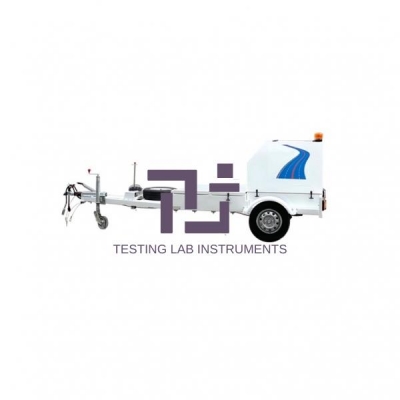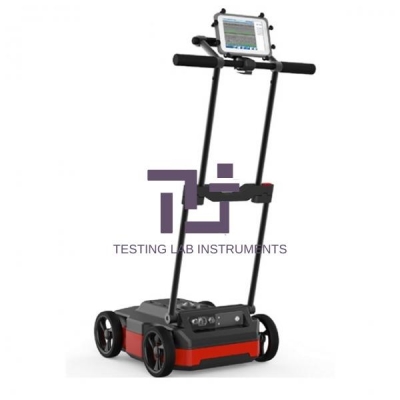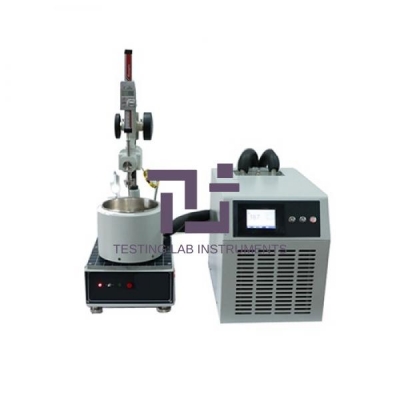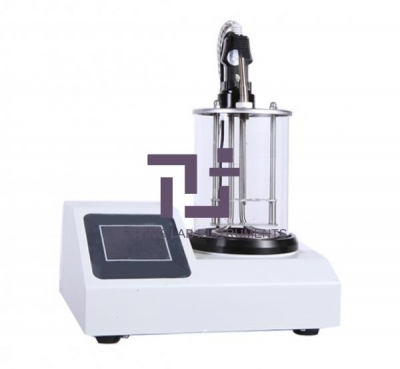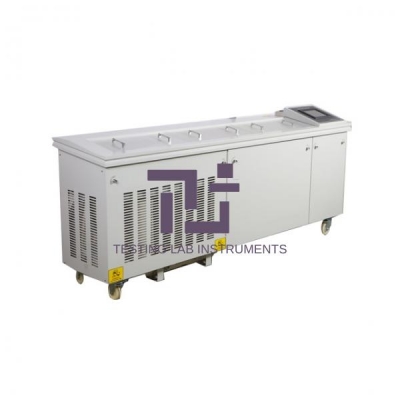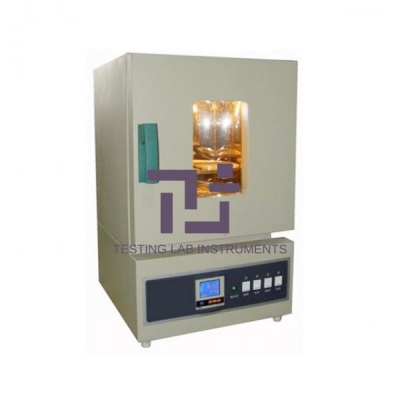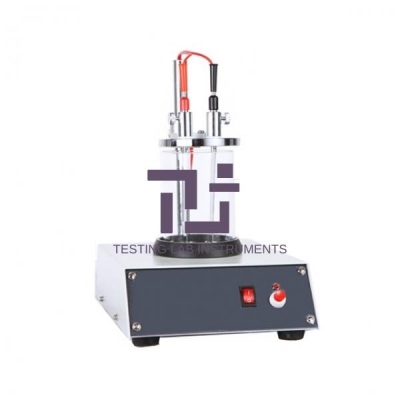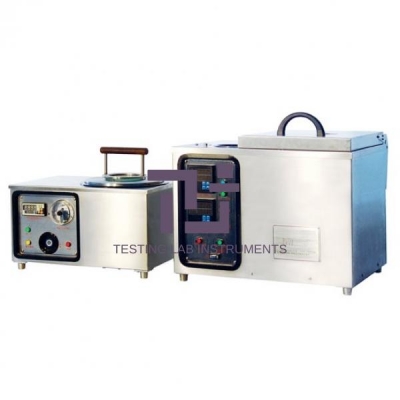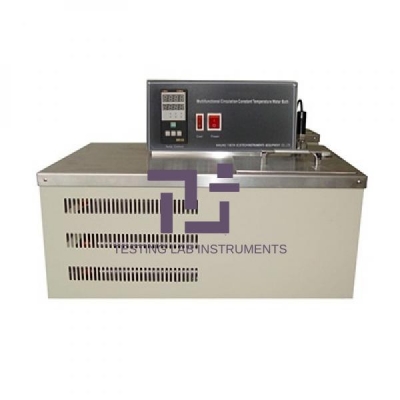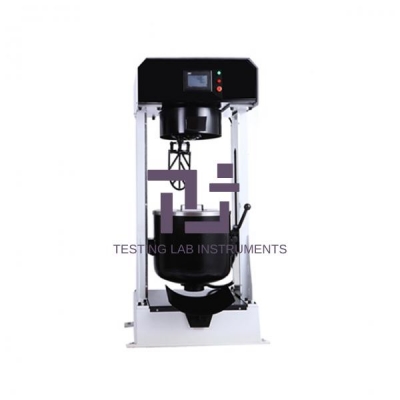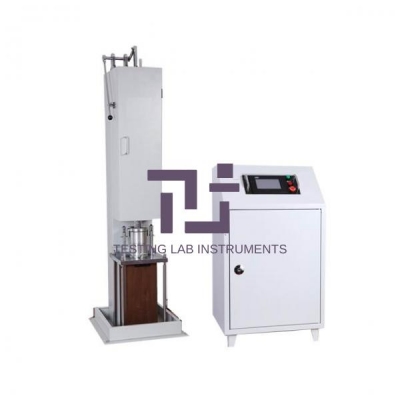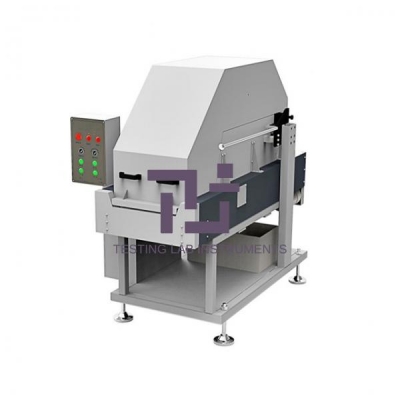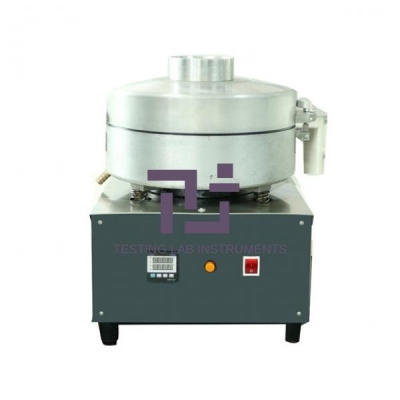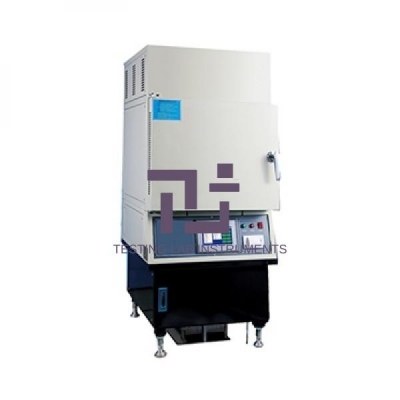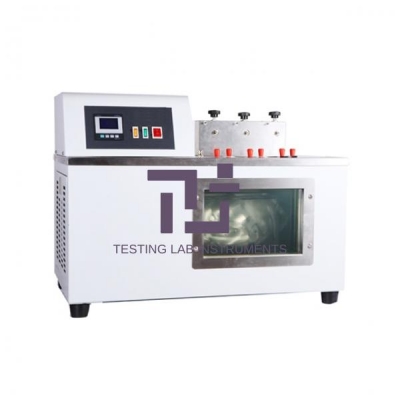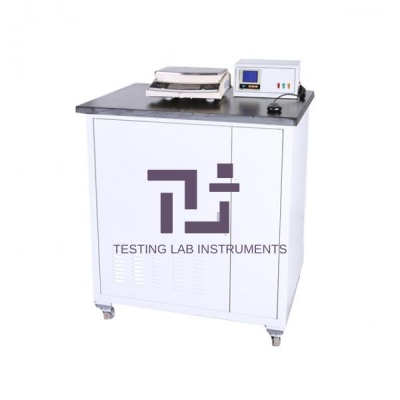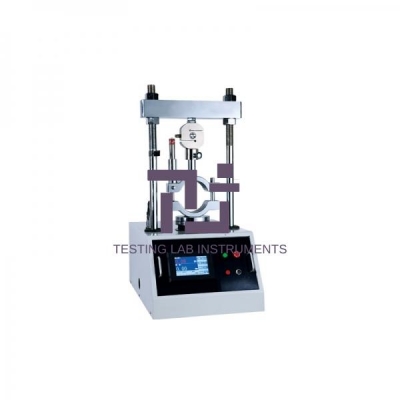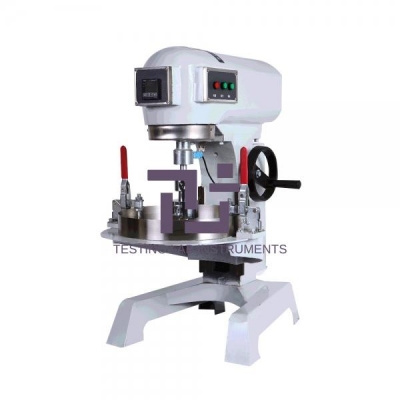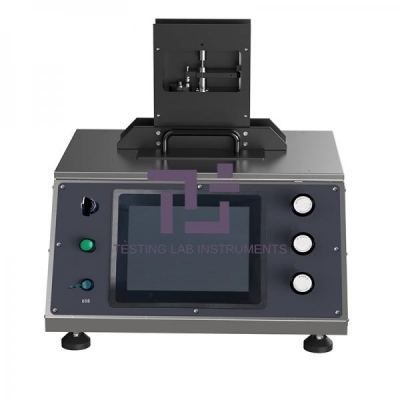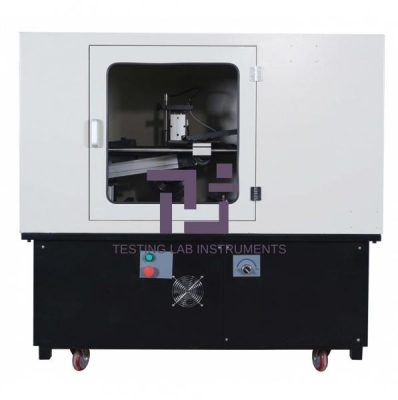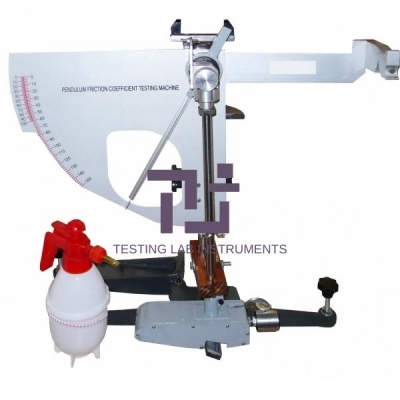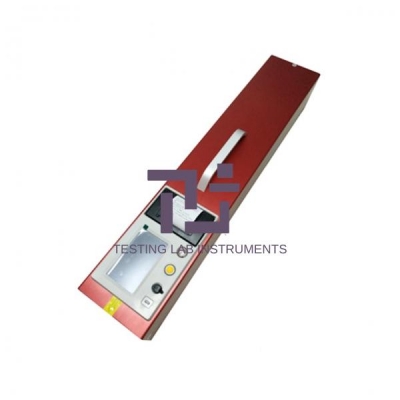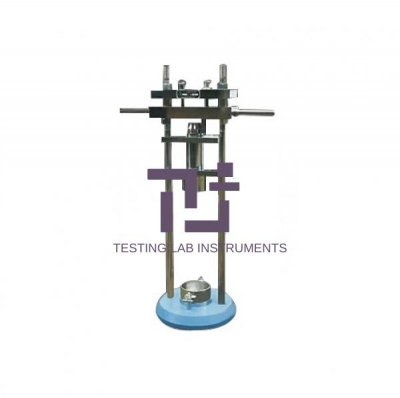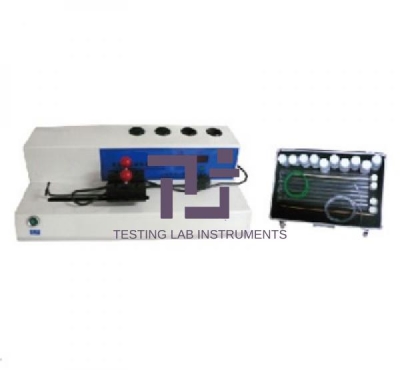
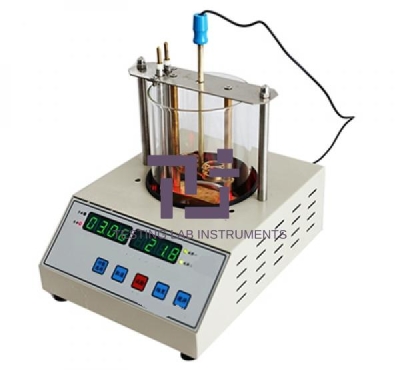
Asphalt Testing Lab Equipment from Professional Testing Instruments Manufacturers in India, Asphalt testing laboratory equipment is used to evaluate the quality and performance of bituminous materials applied in roadways, parking areas, and other large infrastructure projects. These instruments are used to check key properties such as penetration, ductility, viscosity, stability, flow value, density, and long-term aging characteristics of asphalt mixes. Reliable testing helps laboratories meet required standards and enables engineers to design pavements that can withstand heavy traffic loads and changing weather conditions over time.
Asphalt Material Testing Equipment Suppliers in India - As experienced asphalt testing lab equipment manufacturers in India, we offer a wide range of testing solutions developed for accuracy, durability, and consistent performance. Our asphalt testing lab instruments are widely used in quality control laboratories, construction companies, research institutions, and civil engineering departments. Being among the trusted asphalt testing lab equipment suppliers in India, we focus on practical, easy-to-use designs suitable for both routine testing and advanced research applications.
With established manufacturing facilities and global supply capabilities, we are also recognized as asphalt testing lab equipment exporters in India. Our products are supplied to laboratories across various regions and comply with international quality standards. As reliable manufacturers and suppliers of asphalt testing lab instruments, we remain committed to supporting precise testing, improved mix design, and the development of durable and safe road infrastructure.
Asphalt testing laboratory equipment is used to evaluate the physical and mechanical properties of asphalt and bitumen materials. These tests help determine stability, durability, penetration value, softening point, density, and resistance to deformation in road construction projects.
Asphalt testing ensures pavement materials meet required strength and performance standards. Proper testing prevents issues such as cracking, rutting, stripping, and early pavement failure, improving overall road lifespan.
Commonly used machines include:
Each equipment measures a specific property of asphalt mixtures or binders.
Most asphalt testing equipments are designed to comply with ASTM, AASHTO, IS (Indian Standards), and EN standards to ensure accuracy and reliability in laboratory testing.
The Marshall stability test measures the load-bearing capacity and flow characteristics of asphalt mixtures, helping engineers assess pavement strength and structural performance.
The penetration test measures the depth a standard needle penetrates into bitumen under controlled conditions. It helps classify the hardness or consistency of bitumen grades.
A Rolling thin film oven simulates short-term aging of bitumen during mixing and laying processes, helping evaluate changes in binder properties due to heat and air exposure.
This instrument is widely used by civil engineering laboratories, road construction companies, infrastructure contractors, government testing departments, and research institutions.
Selection depends on required testing standards, project scale, automation needs, calibration requirements, and laboratory accreditation guidelines.
Calibration is generally recommended annually or as per laboratory quality standards to maintain accuracy and compliance.
Direct-from-factory pricing, IS & ASTM compliance, and bulk tender supply experience that institutional buyers can rely on.
All instruments conform to IS, ASTM, BS, EN and DIN standards — ready for NABL labs and international audits.
Dedicated team for large-volume tender orders with BOQ pricing, documentation, and inspection support.
Container-load exports to 90+ countries with complete CHA, insurance, and shipping documentation.
On-site installation, commissioning, operator support and calibration services included.