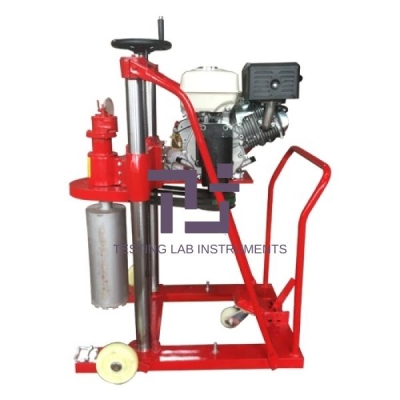
Concrete Material Testing Equipment - Concrete Testing Lab Equipment from Custom Testing Instruments Manufacturers India, Concrete testing laboratory equipment is used to evaluate the strength, durability, and performance of concrete used in construction and infrastructure projects. Through accurate testing, important properties such as compressive strength, workability, consistency, setting time, and flexural performance can be measured. These tests help ensure that concrete structures meet required standards and perform safely under varying loads and environmental conditions.
As recognized concrete testing lab instruments suppliers and exporters in India, we manufacture a wide range of testing equipment designed for precision, reliability, and long-term durability. Our concrete testing laboratory equipment is widely used in quality control laboratories, construction companies, highway departments, and research institutions. As established concrete testing lab equipment manufacturers in India, we offer equipment in various specifications to meet different laboratory requirements.
With strong manufacturing capabilities and global distribution experience, we supply high-quality instruments to domestic and international markets. As dependable concrete testing laboratory equipment manufacturers and Suppliers, we remain committed to supporting accurate material testing, improved construction standards, and the successful execution of civil engineering and infrastructure projects.
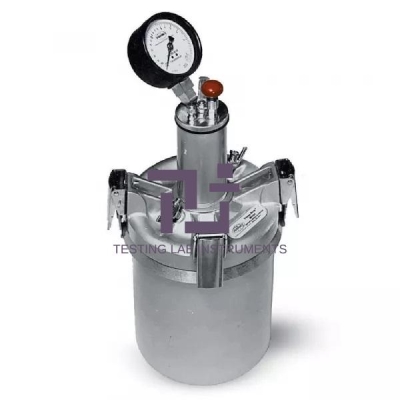
Concrete Testing Lab Equipment consists of specialized instruments used to measure the strength, consistency, durability, and overall quality of concrete for new construction and existing structures. These instruments evaluate compressive strength, flexural strength, slump, air content, permeability, and other performance-related parameters according to construction standards.
Concrete testing ensures structural safety, long-term durability, and compliance with IS, ASTM, and BS standards. It helps prevent structural failures, verify mix design performance, and improve overall project quality control for buildings, bridges, highways, dams, and industrial structures.
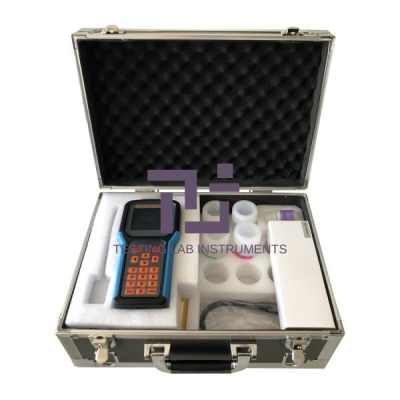
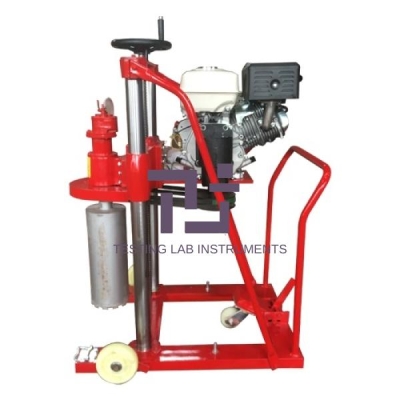
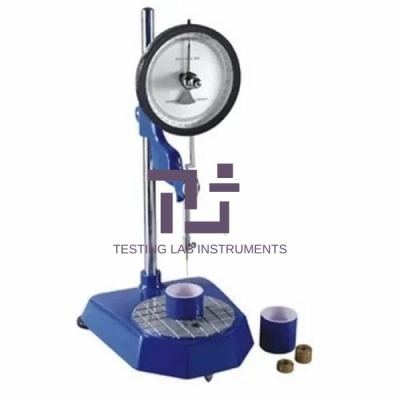
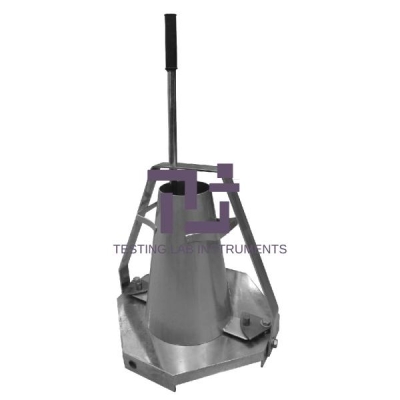
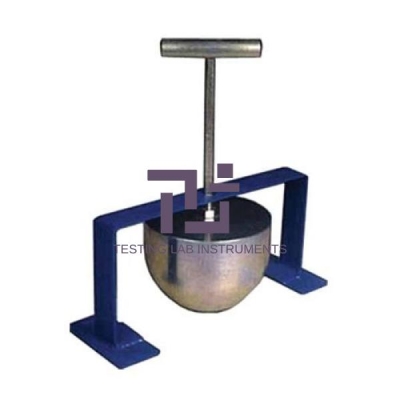
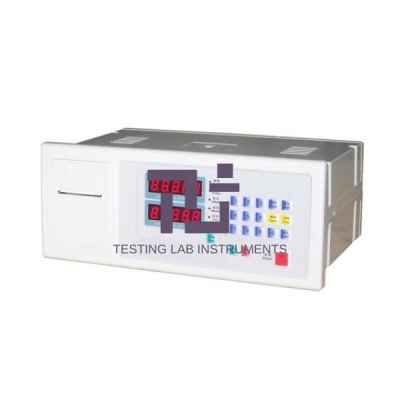
Common equipment includes Compression Testing Machines (CTM), Flexural Testing Machines, Slump Cone Apparatus, Vee Bee Consistometer, Compaction Factor Apparatus, Concrete Cube and Cylinder Moulds, Flow Table, Rebound Hammer, Permeability Test Apparatus, and Vibrating Table. Each device measures specific concrete properties.
A Compression Testing Machine (CTM) is used to determine the compressive strength of concrete cubes and cement mortar specimens by applying controlled pressure until the specimen fails, thereby measuring the concrete’s load-bearing capacity.
The Slump Cone Test measures the workability and consistency of freshly mixed concrete. It indicates the ease of placement and compaction at the construction site.
The Rebound Hammer measures the surface hardness of hardened concrete to estimate its compressive strength. It is widely used for non-destructive field testing and structural assessment.
Concrete testing instruments are manufactured in accordance with IS (Indian Standards), ASTM Standards, BS (British Standards), and EN Standards to ensure reliable, repeatable, and accurate results.
These instruments are used by construction companies, ready-mix concrete plants, civil engineering laboratories, quality control labs, government testing agencies, research institutions, and engineering colleges.
Yes, concrete testing equipment can be customized based on required testing capacity, digital or manual operation preferences, compliance with specific standards, laboratory space limitations, and automation features for improved accuracy and productivity.
Key factors include accuracy and calibration reliability, load capacity, durability, compliance with standards, ease of operation, after-sales support, and availability of spare parts to ensure long-term performance and precise results.
Direct-from-factory pricing, IS & ASTM compliance, and bulk tender supply experience that institutional buyers can rely on.
All instruments conform to IS, ASTM, BS, EN and DIN standards — ready for NABL labs and international audits.
Dedicated team for large-volume tender orders with BOQ pricing, documentation, and inspection support.
Container-load exports to 90+ countries with complete CHA, insurance, and shipping documentation.
On-site installation, commissioning, operator support and calibration services included.