
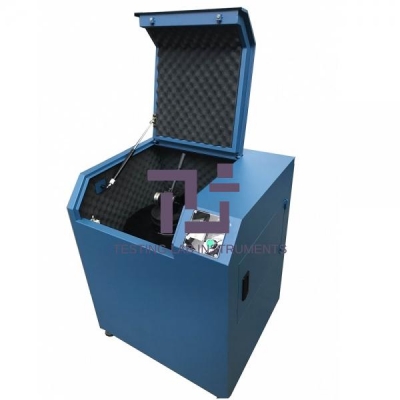
Cement Testing Lab Equipments from India’s Industrial Testing Equipment Specialists, Cement testing laboratory equipments are essential for valuate the quality and performance of cement used in construction and infrastructure projects. Accurate testing helps find important properties such as fineness, consistency, setting time, soundness, compressive strength, and specific gravity. These tests ensure that cement meets required standards and performs reliably in concrete structures under varying environmental and load conditions.
As experienced cement testing lab equipments manufacturers in India, we design and manufacture a complete range of testing solutions built for precision, durability, and consistent results. Our instrument is widely used in quality control laboratories, cement plants, construction companies, research institutions, and civil engineering departments. Being recognized cement testing laboratory instruments suppliers in India, we focus on delivering practical, user-friendly instruments suitable for routine testing as well as detailed laboratory analysis.
With strong production capabilities and global distribution networks, we are also established cement testing lab equipments exporters in India, supplying high-quality instruments to international markets. As reliable cement testing lab instruments manufacturers and cement testing laboratory equipments suppliers, we remain committed to supporting accurate cement evaluation, improved construction quality, and the successful execution of civil engineering and infrastructure projects.
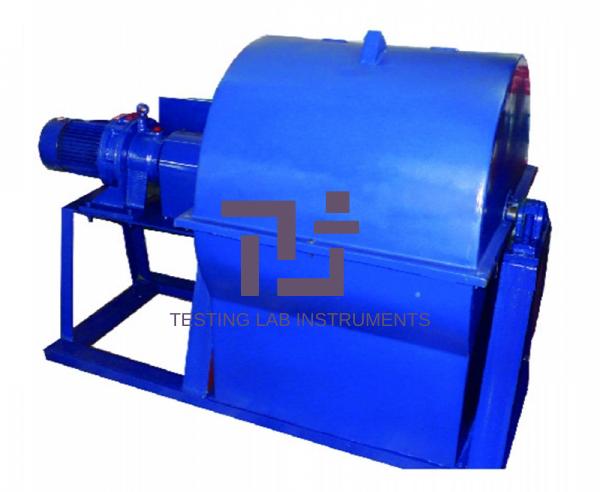
Cement Materials Test Mill for Testing Lab Equipment Tender Suppliers India
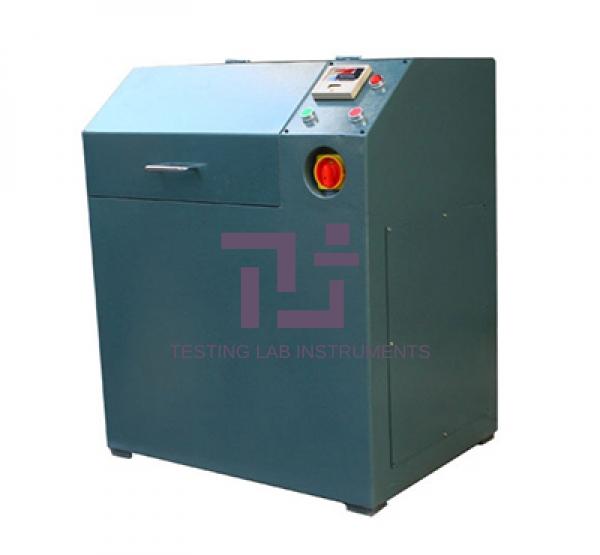
Cup Mill for Testing Lab Equipment Tender Suppliers India
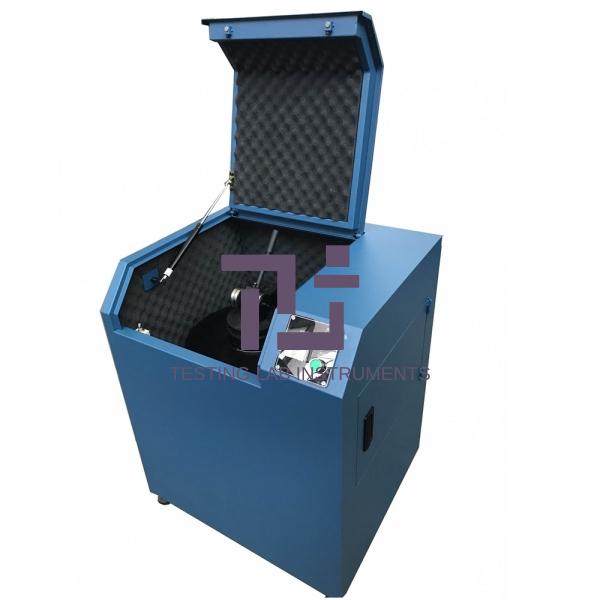
Cement Testing Laboratory Equipments are precision instruments used to evaluate the physical and mechanical properties of cement in laboratory conditions. These machines test parameters such as fineness, standard consistency, setting time, compressive strength, soundness, and specific gravity in accordance with construction standards.
Cement testing ensures product quality and performance, prevents structural cracks and failures, verifies compliance with IS, ASTM, and BS standards, maintains consistency in concrete mix design, and improves the durability and strength of structures.
Common cement testing instruments include Vicat Apparatus, Le Chatelier Apparatus, Compression Testing Machine, Blaine Air Permeability Apparatus, Autoclave for Soundness Test, Flow Table, Cement Sieves, Mortar Cube Moulds, and Specific Gravity Bottle. Each instrument is designed to measure a specific property of cement.
The Vicat Apparatus is used to determine the initial and final setting time of cement. It measures how quickly cement paste hardens after mixing with water, helping assess setting behavior.
The Le Chatelier Apparatus measures the soundness of cement by determining the expansion caused by free lime or magnesia. It evaluates volume stability when cement reacts with water.
Cement compressive strength is tested by preparing mortar cubes, curing them for specific periods (typically 3, 7, and 28 days), and testing them in a Compression Testing Machine to determine load-bearing capacity.
The Blaine Air Permeability Apparatus measures the fineness of cement by determining its specific surface area. Finer cement particles hydrate faster and generally develop strength more rapidly.
These instruments are widely used by cement manufacturing plants, quality control laboratories, construction companies, civil engineering colleges, government testing agencies, and research institutions.
Yes, cement testing instruments can be customized according to testing capacity requirements, digital or manual configurations, laboratory space constraints, and compliance with specific standards.
Important factors include accuracy and repeatability, compliance with relevant standards, material durability, calibration support, ease of maintenance, and reliable after-sales service.
Direct-from-factory pricing, IS & ASTM compliance, and bulk tender supply experience that institutional buyers can rely on.
All instruments conform to IS, ASTM, BS, EN and DIN standards — ready for NABL labs and international audits.
Dedicated team for large-volume tender orders with BOQ pricing, documentation, and inspection support.
Container-load exports to 90+ countries with complete CHA, insurance, and shipping documentation.
On-site installation, commissioning, operator support and calibration services included.

