
Aggregate Testing Lab Equipment from India’s Reliable Testing Lab Equipment Company, Aggregate testing lab equipment is widely used to evaluate the quality and performance of aggregates that are essential in concrete, asphalt, and many other construction applications. These tests help assess key characteristics such as particle size distribution, strength, resistance to wear, shape, and overall durability. Proper aggregate testing helps ensure that materials meet required specifications and allows engineers to build structures that are safe, stable, and built to last.
As established aggregate testing laboratory equipment manufacturers in India, we design and supply a complete range of testing solutions focused on accuracy, reliability, and long-term use. Our instrument is commonly found in quality control laboratories, construction projects, research centers, and civil engineering departments. As trusted aggregate testing lab instrument suppliers in India, we place strong emphasis on practical designs that are easy to use and suitable for both routine testing and detailed material evaluation.
With well-equipped manufacturing facilities and experience in global supply, we are also recognized as aggregate testing laboratory equipment exporters in India, serving laboratories across international markets. As dependable manufacturers and suppliers of aggregate testing laboratory instruments, we are committed to supporting precise testing, better material selection, and the successful delivery of durable construction and infrastructure projects.
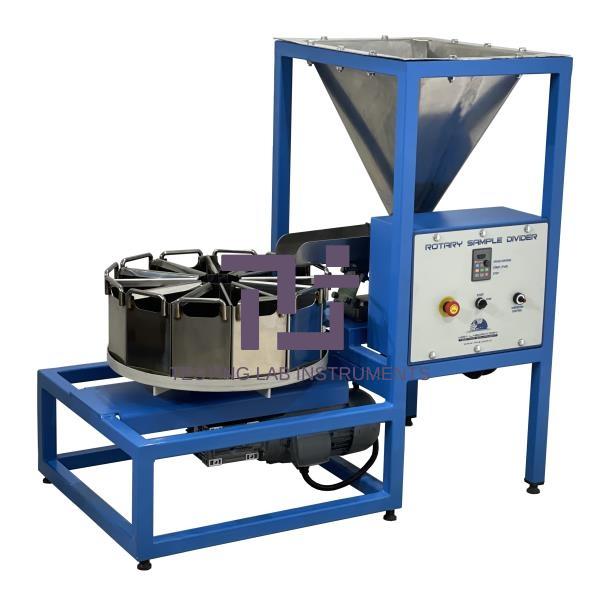
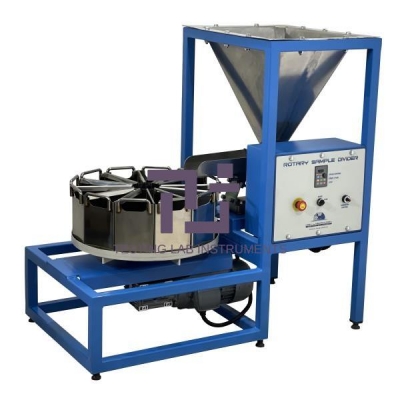
Mechanical Rotating Sample Divider Motorised for Testing Lab Equipment Tender Suppliers India
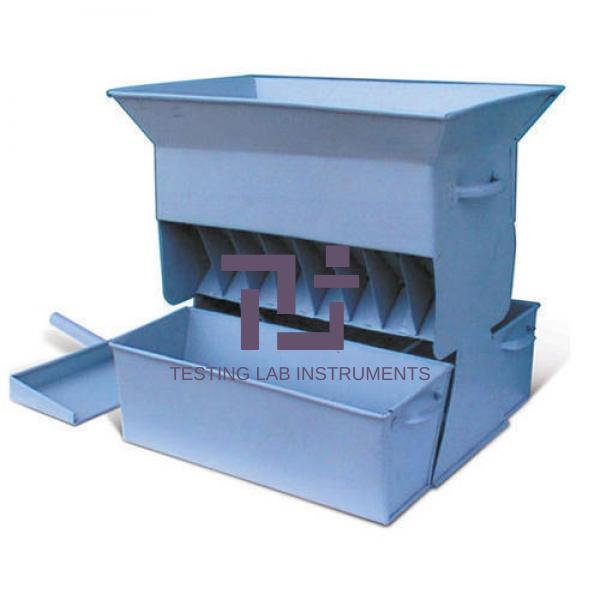
Riffle Sample Divider 13 mm for Testing Lab Equipment Tender Suppliers India
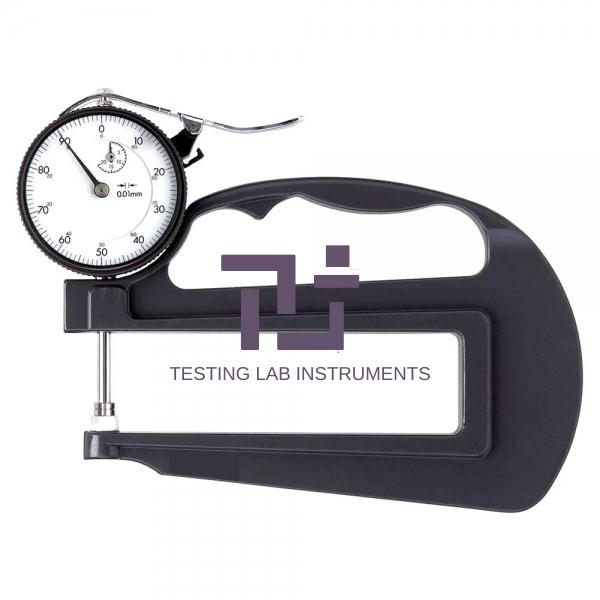
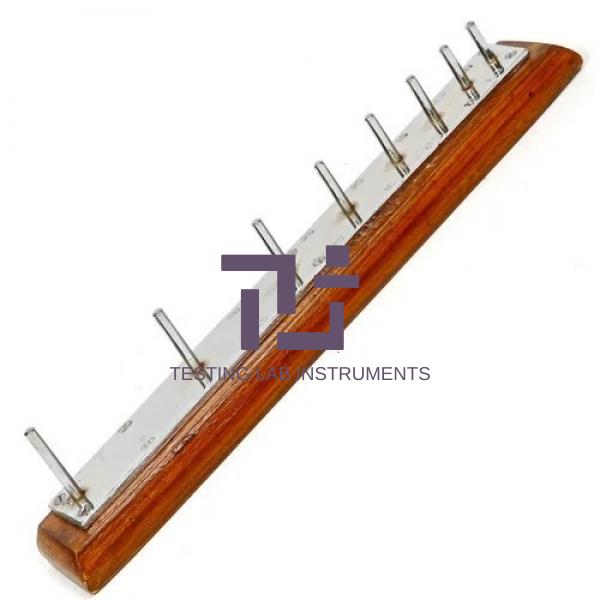
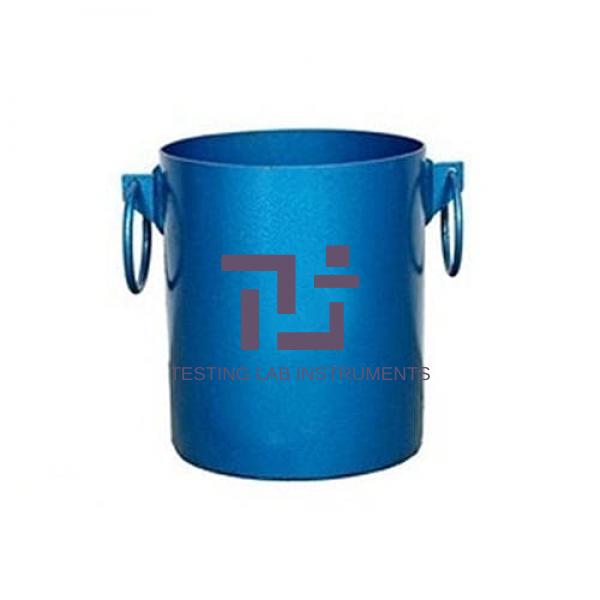
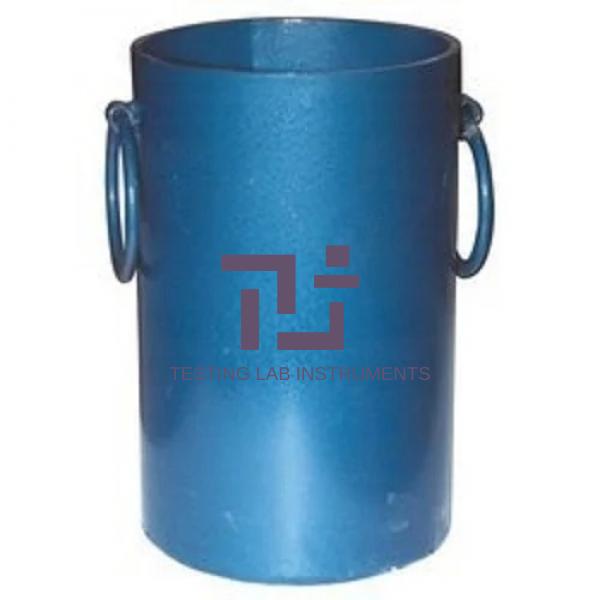
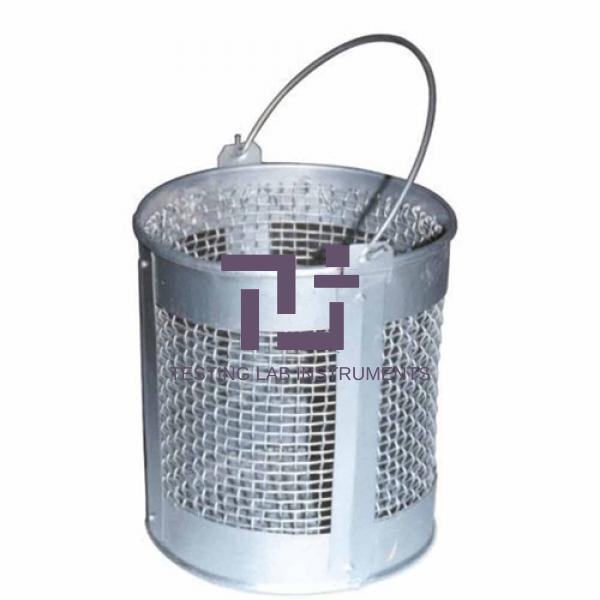
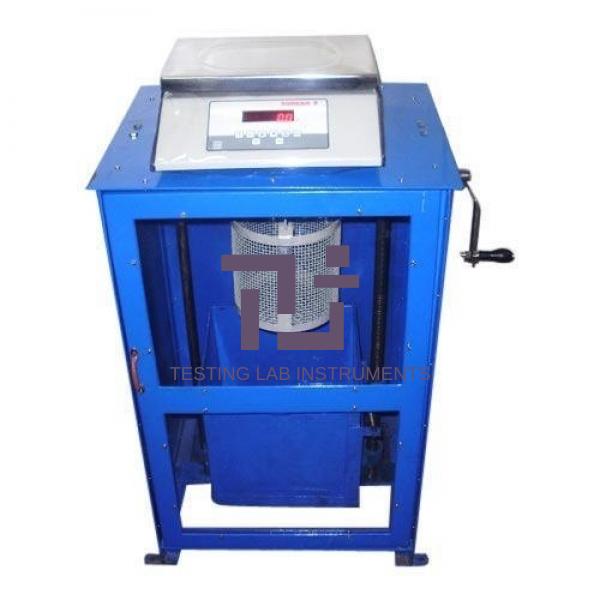
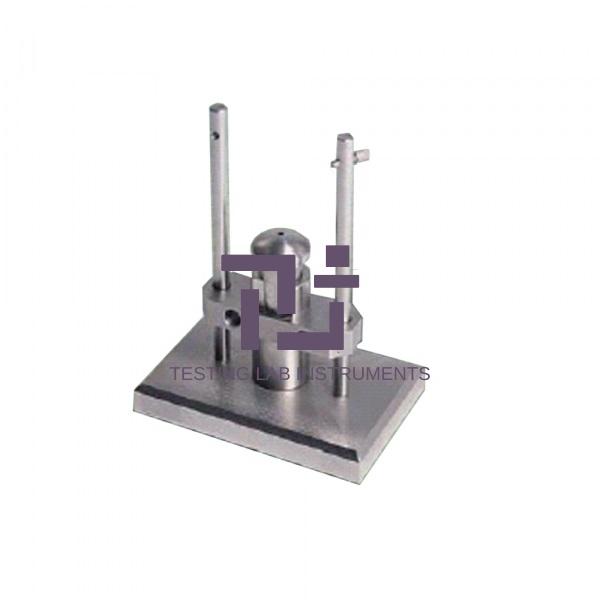
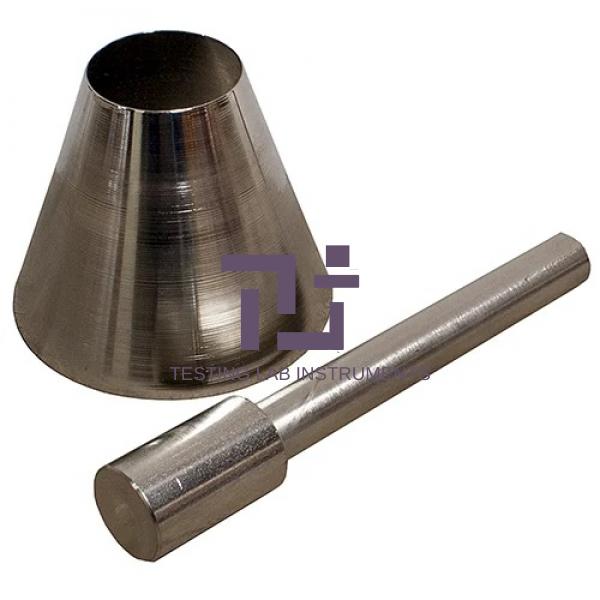
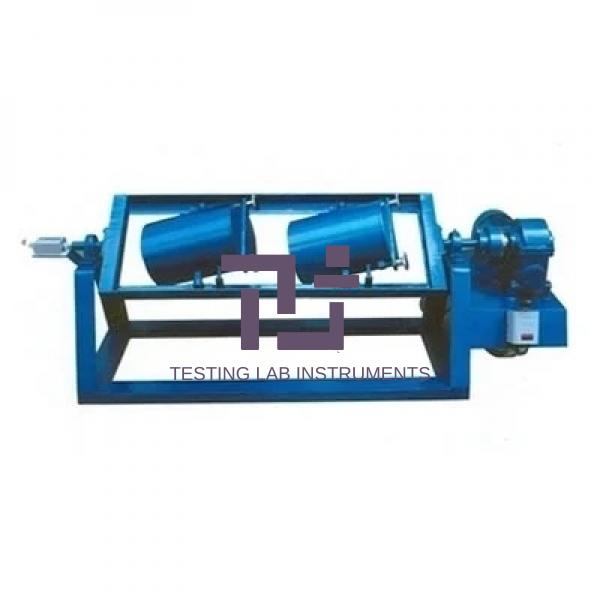
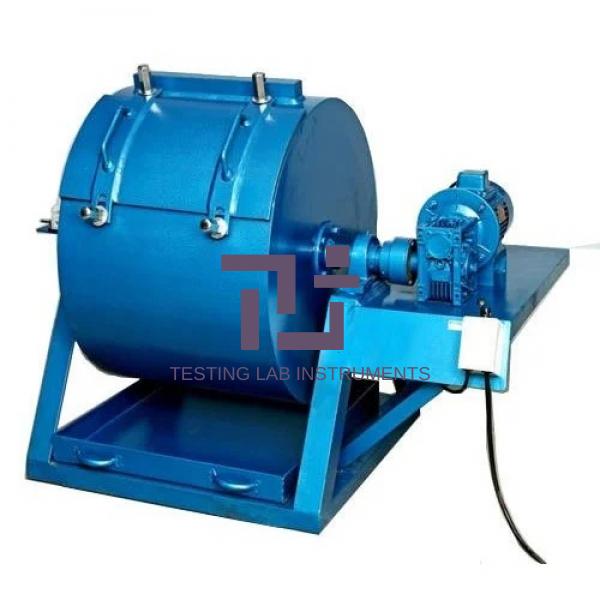
Los Angels Abrasion Testing Machine
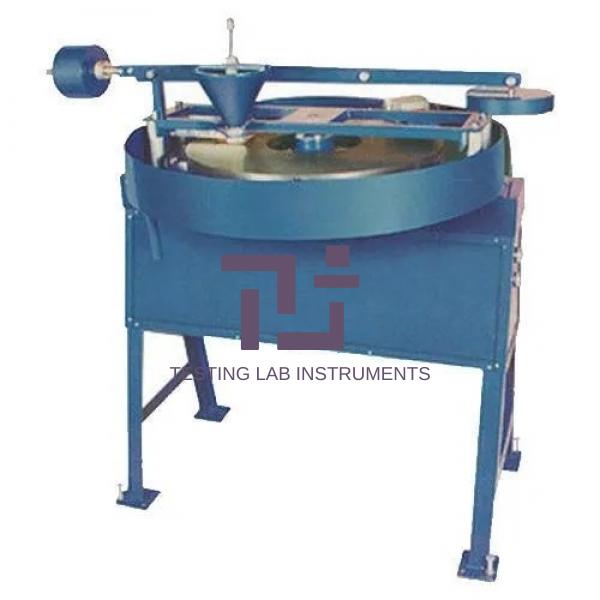
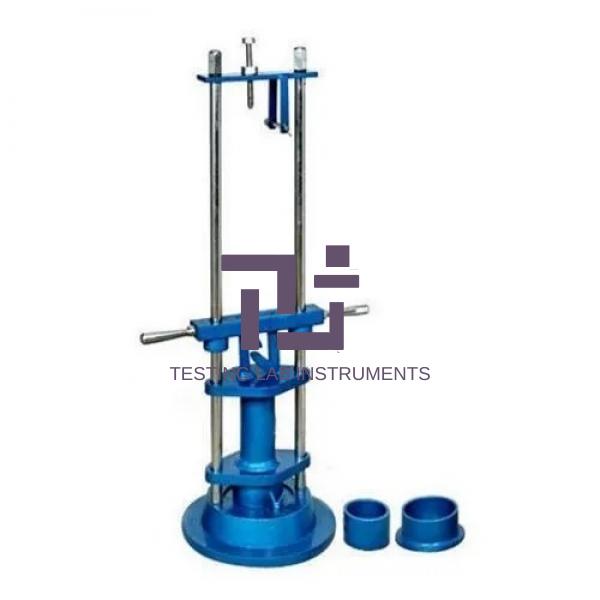
Aggregate Impact Test Apparatus with Counter
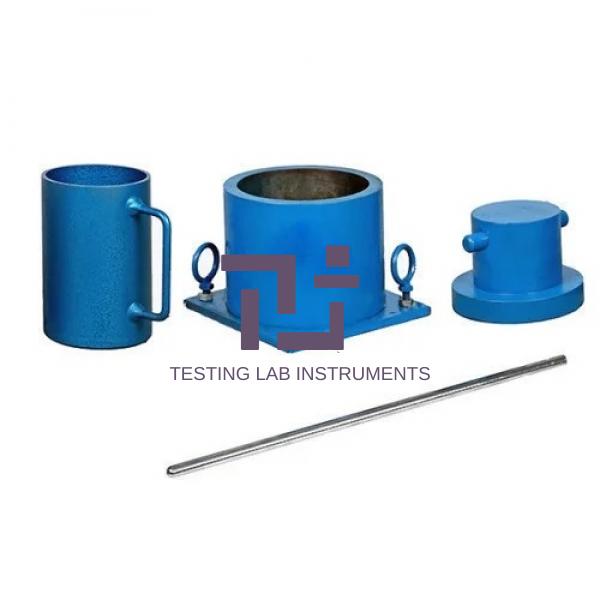
Aggregate Crushing Value Apparatus 75 mm, Aggregate Crushing Value Apparatus (150 mm)
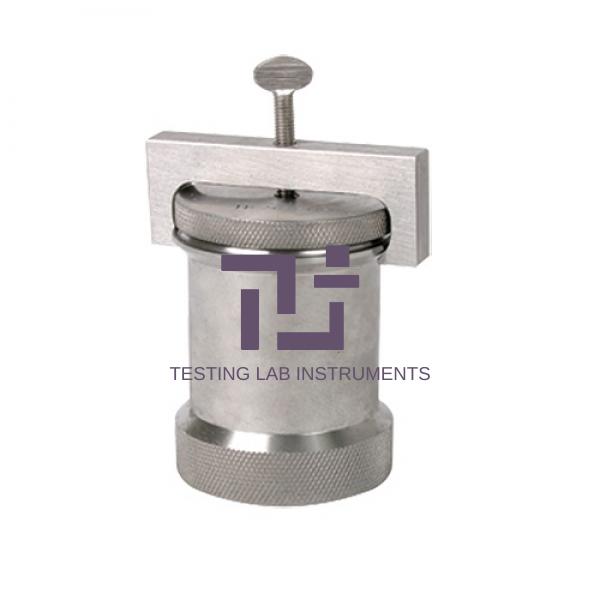
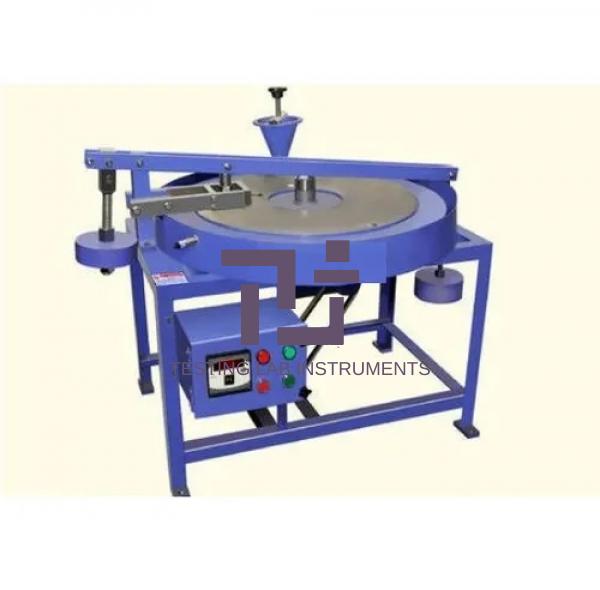
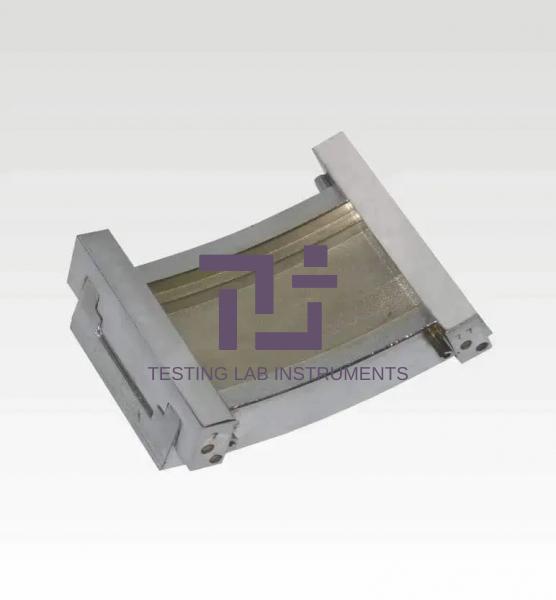
Accelerated Aggregate Polishing Machine
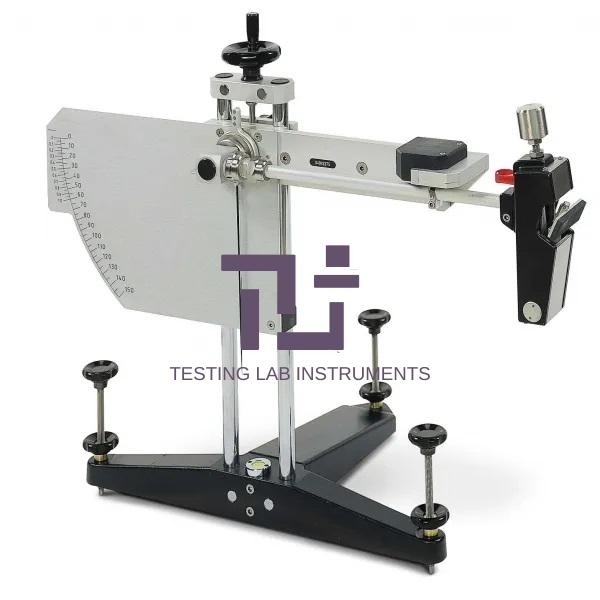
Aggregates Testing Lab Equipments are specialized instruments used to determine the physical and mechanical properties of aggregates such as strength, durability, impact value, crushing value, abrasion value, flakiness index, attrition value, and specific gravity. These tests help evaluate the suitability of aggregates for construction applications.
Aggregates testing is essential to assess the quality, durability, and performance of materials used in concrete, asphalt, and road construction. Poor quality aggregates can lead to cracks, structural failures, and reduced lifespan of structures. Testing ensures compliance with industry standards and enhances overall construction safety.
The main types include Aggregate Crushing Value Apparatus, Aggregate Impact Testing Machine, Flakiness and Elongation Index Gauge, Specific Gravity and Water Absorption Apparatus, Sieve Shaker for particle size analysis, and Bulk Density and Voids Apparatus. Each device evaluates a specific property of aggregates.
Aggregates testing lab equipments are manufactured in compliance with national and international standards such as IS (Indian Standards), ASTM (American Society for Testing and Materials), BS (British Standards), and AASHTO standards to ensure accuracy, consistency, and reliable test results.
These instruments are widely used by construction companies, quality control laboratories, civil engineering colleges, research institutes, infrastructure consultants, and government testing laboratories for projects including highways, bridges, dams, buildings, and heavy industrial construction.
Aggregate testing should be conducted before project commencement, during material sourcing, at regular intervals throughout construction, and whenever the aggregate source changes to maintain consistent material quality and compliance.
Yes, aggregates testing lab equipments can be customized according to specific laboratory requirements and testing standards. Customization options may include size modifications, digital displays, motorized controls, and compliance with country-specific standards.
Important factors include compliance with testing standards, accuracy and repeatability, material durability, ease of operation, calibration support, and after-sales service to ensure long-term reliability and precise results.
These instruments help identify weak or unsuitable aggregates before use in construction. Through physical testing and verification, they reduce the risk of structural damage and ensure materials meet required performance and safety parameters.
Direct-from-factory pricing, IS & ASTM compliance, and bulk tender supply experience that institutional buyers can rely on.
All instruments conform to IS, ASTM, BS, EN and DIN standards — ready for NABL labs and international audits.
Dedicated team for large-volume tender orders with BOQ pricing, documentation, and inspection support.
Container-load exports to 90+ countries with complete CHA, insurance, and shipping documentation.
On-site installation, commissioning, operator support and calibration services included.

