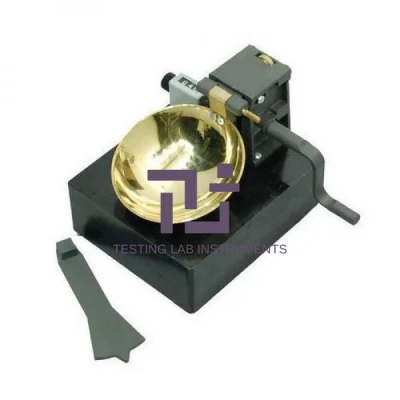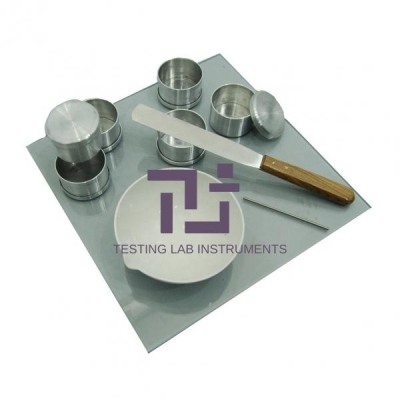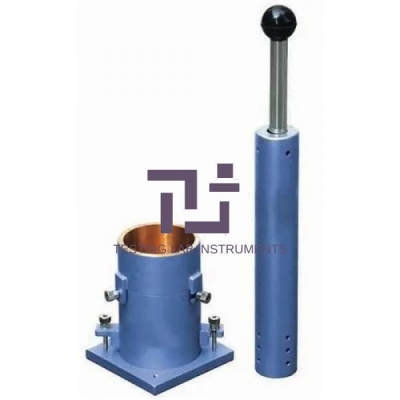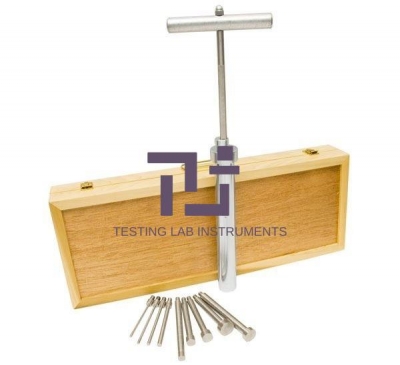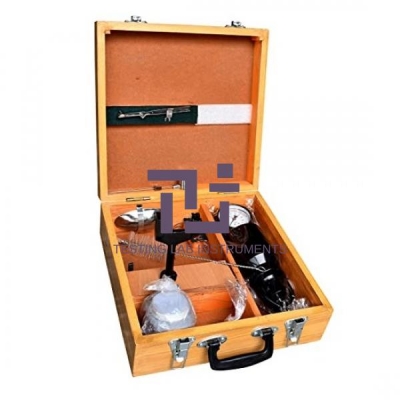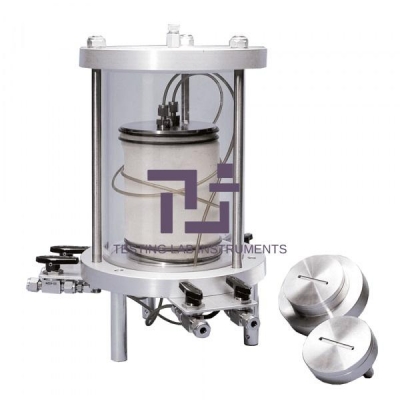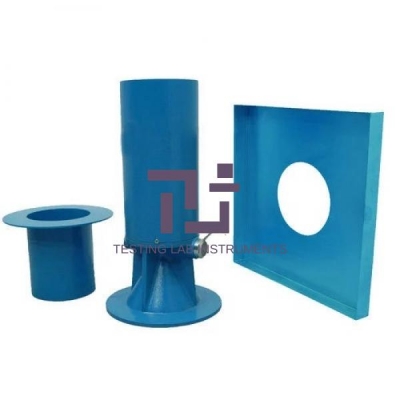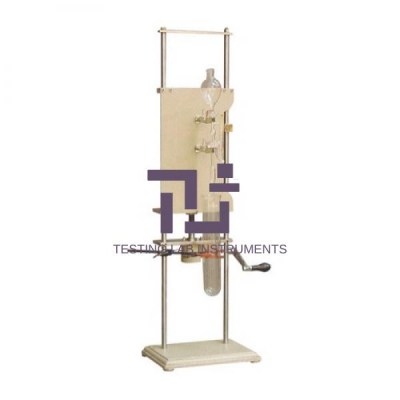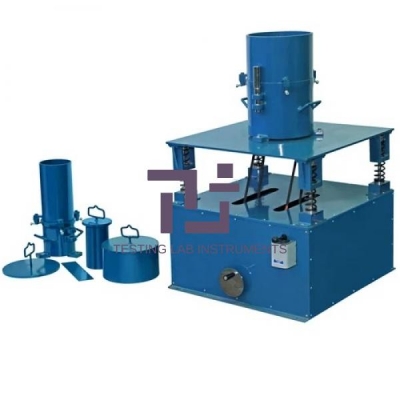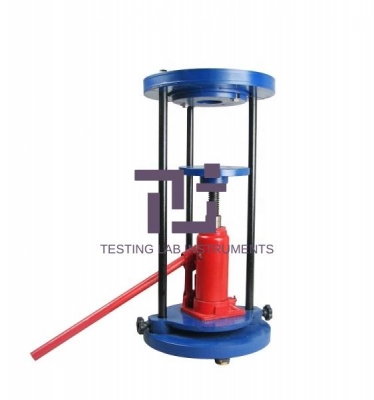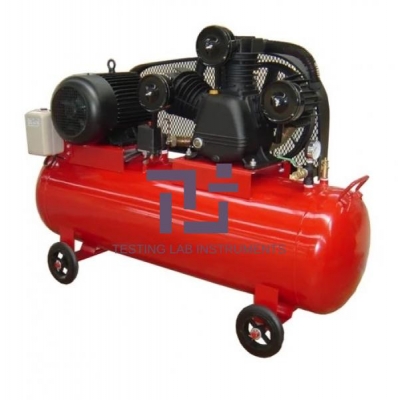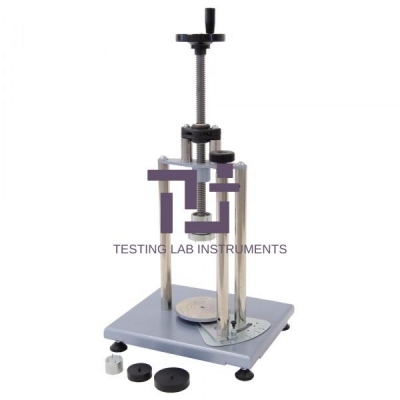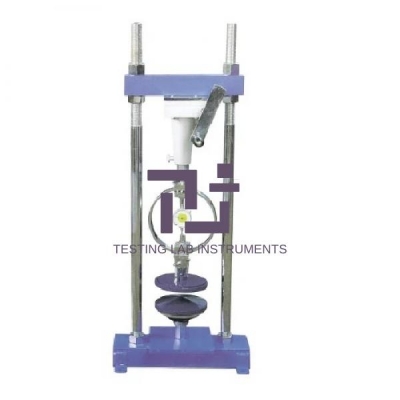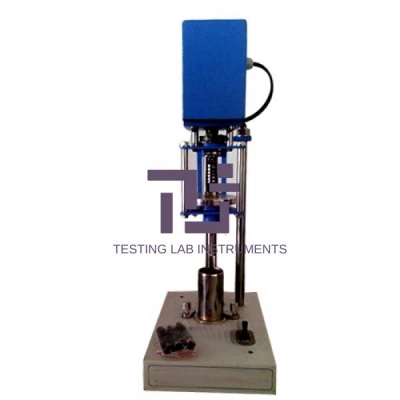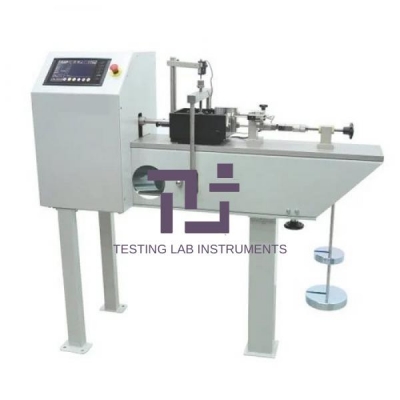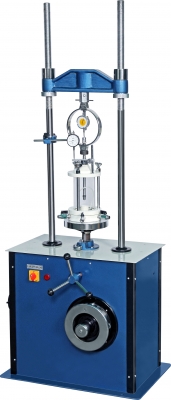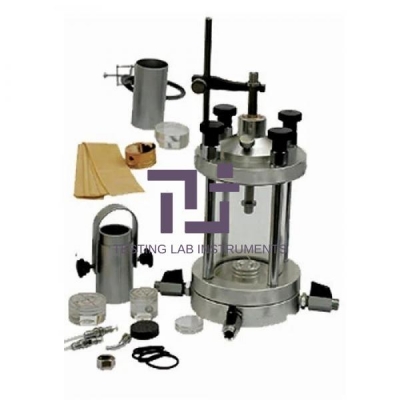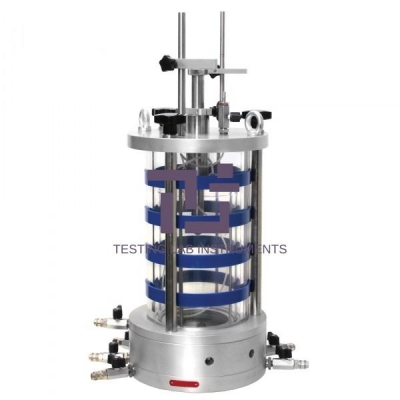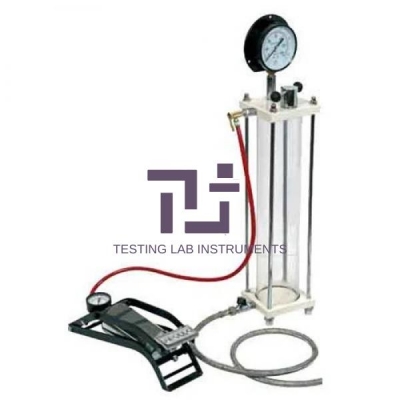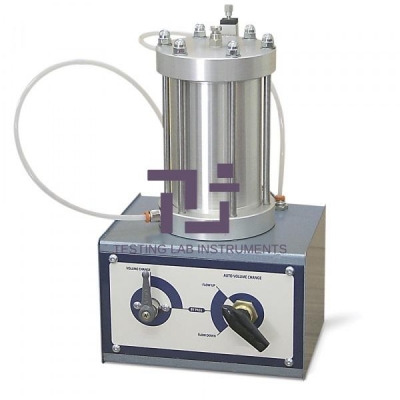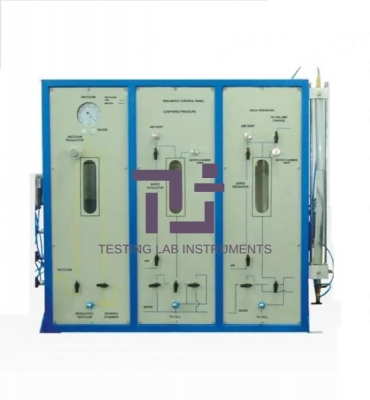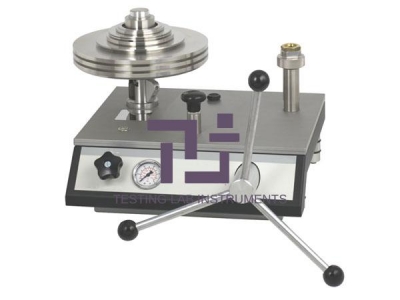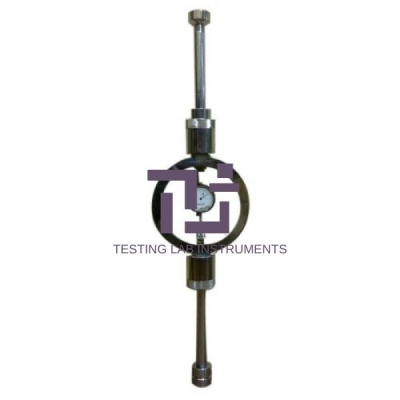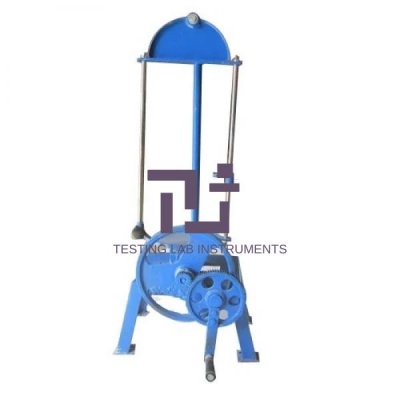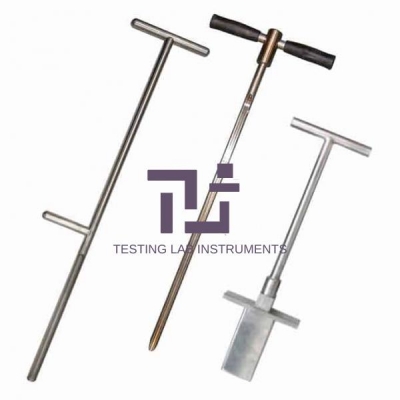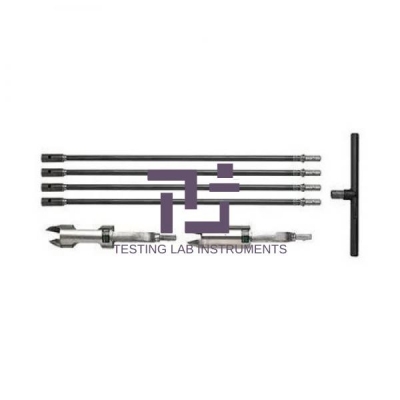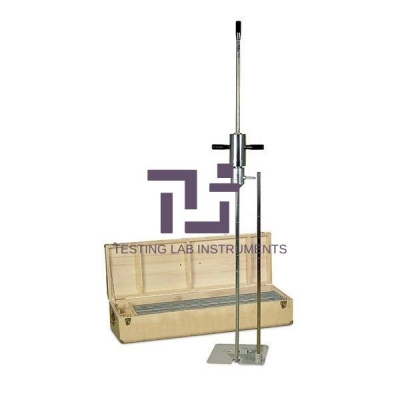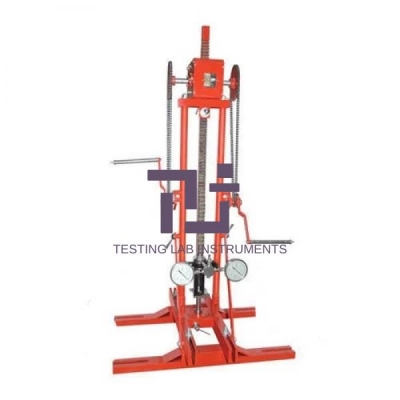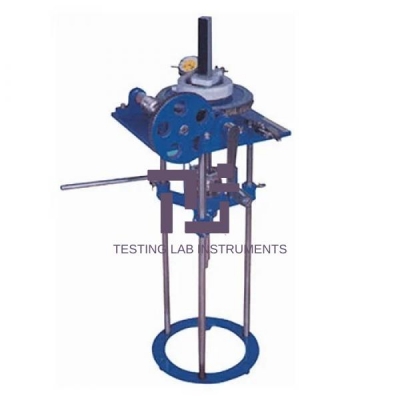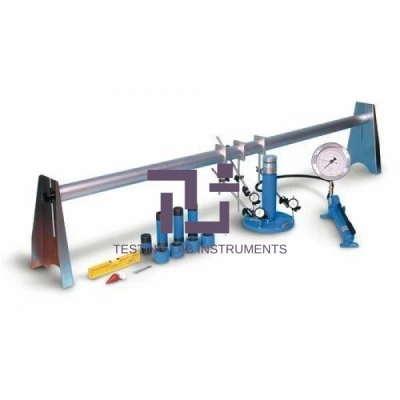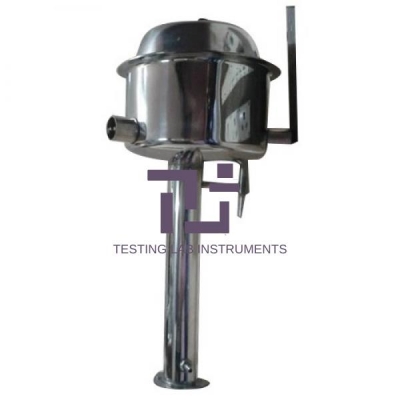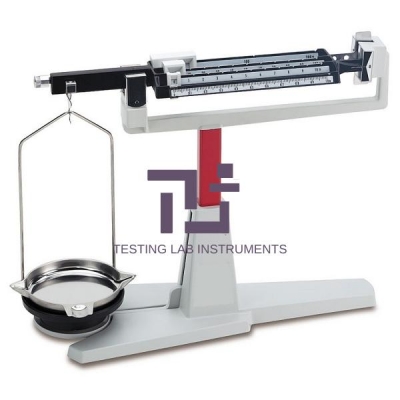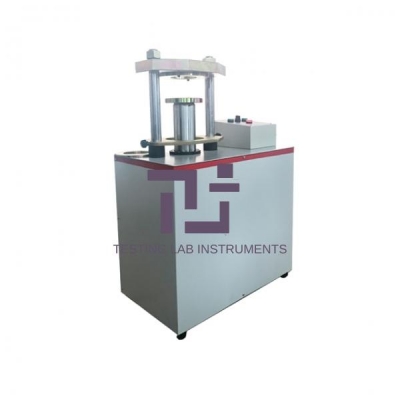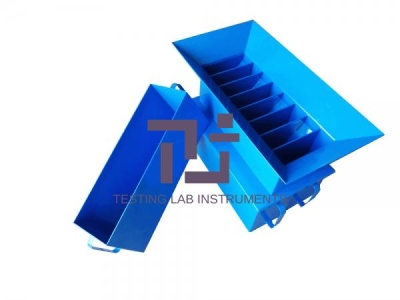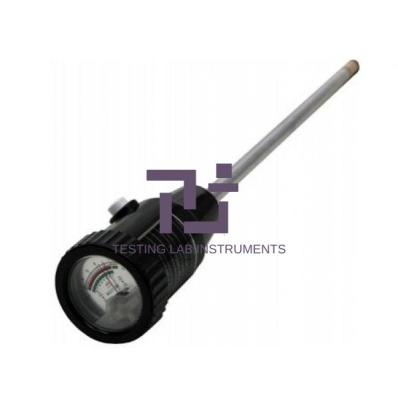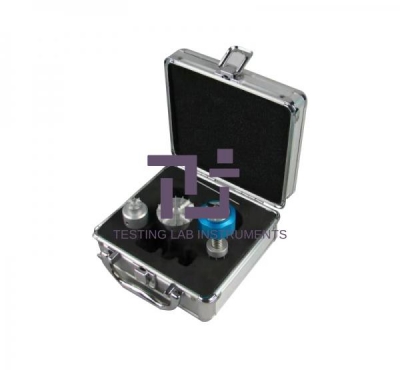
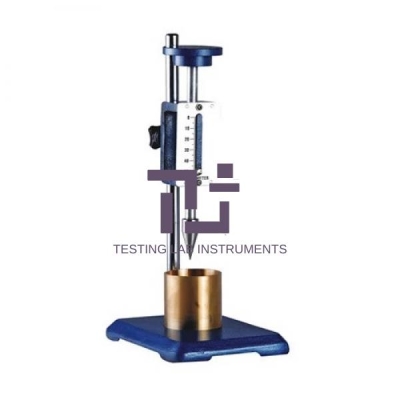
Soil Testing Lab Equipments from Top Testing Lab Instruments Manufacturers in India, Soil testing laboratory equipments are essential for studying the physical and mechanical properties of soil used in construction, foundation design, road development, and geotechnical investigations. Proper soil testing helps determine key parameters such as moisture content, density, shear strength, permeability, compaction, and bearing capacity. Accurate test results enable engineers to design safe and stable structures that perform reliably under varying environmental and load conditions.
Soil Material Testing Equipment Suppliers in India - As experienced soil testing lab equipment manufacturers in India, we design and manufacture a wide range of reliable and durable testing solutions. Our instruments are widely used in construction companies, geotechnical laboratories, research institutions, and civil engineering departments. Being established soil testing lab instruments suppliers, we focus on delivering practical, easy-to-operate equipment that ensures consistent and precise results for both routine and advanced soil analysis.
With modern manufacturing facilities and strong global supply capabilities, we are also recognized as soil testing laboratory equipments exporters, serving laboratories across international markets. As dependable soil testing lab instruments manufacturers and soil testing laboratory instruments suppliers, we remain committed to supporting accurate soil evaluation, improved foundation design, and the successful execution of infrastructure and construction projects.
Soil Testing Lab Equipments are specialized laboratory instruments used to evaluate the engineering properties of soil for construction purposes. These devices measure parameters such as shear strength, compaction, permeability, consolidation, density, moisture content, and bearing capacity to ensure safe foundation design and structural stability.
Soil testing helps determine soil bearing capacity, prevent foundation failure, avoid settlement and structural cracks, select suitable foundation types, and ensure long-term structural performance. Proper soil investigation reduces construction risks and overall project costs.
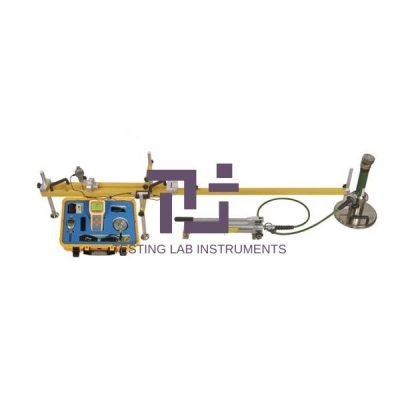
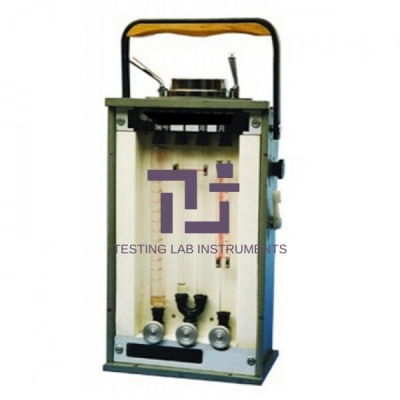
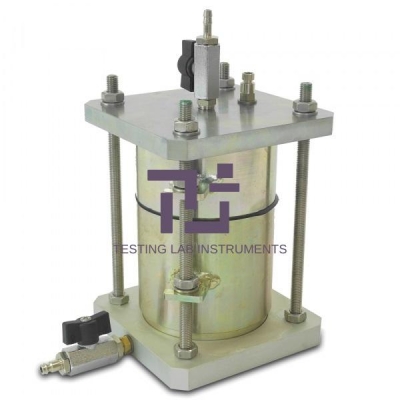
Common soil testing instruments include Direct Shear Test Apparatus, Triaxial Shear Test Apparatus, Consolidation Test Apparatus, CBR (California Bearing Ratio) Test Machine, Proctor Compaction Test Equipment, Liquid Limit and Plastic Limit Equipment, Permeability Test Apparatus, Unconfined Compression Testing Machine, Soil Hydrometer and Sieve Shaker, and Sand Replacement Apparatus. Each instrument measures specific geotechnical soil properties.
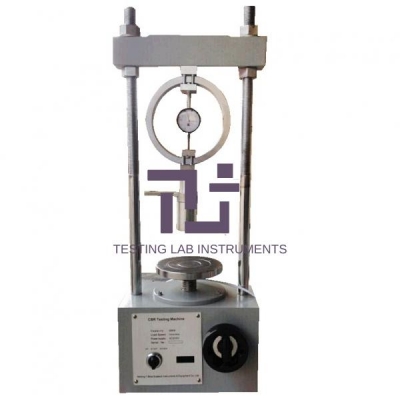
The California Bearing Ratio (CBR) Test is used to evaluate the strength of subgrade soil for pavement design. It is widely applied in highway engineering to determine load-bearing capacity.
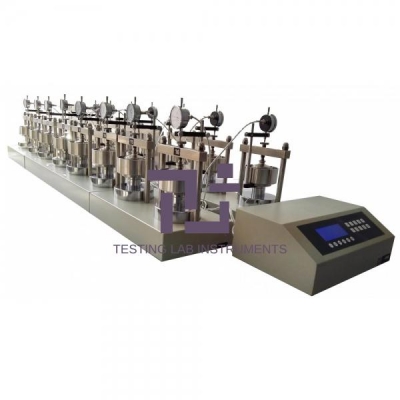
The Direct Shear Test determines the shear strength characteristics of soil, including internal friction angle and cohesion. These values are critical for slope stability analysis and foundation design.
Soil testing lab equipments are manufactured in compliance with IS (Indian Standards), ASTM Standards, BS Standards, and AASHTO Standards to ensure accurate, reliable, and standardized test results.
Yes, soil testing instruments can be customized based on testing capacity requirements, manual or digital control systems, compliance needs, laboratory space availability, and enhanced testing precision and speed.
Important factors include accuracy and calibration stability, compliance with relevant standards, durability and build quality, ease of maintenance, availability of technical support, and after-sales service for long-term reliability.
Direct-from-factory pricing, IS & ASTM compliance, and bulk tender supply experience that institutional buyers can rely on.
All instruments conform to IS, ASTM, BS, EN and DIN standards — ready for NABL labs and international audits.
Dedicated team for large-volume tender orders with BOQ pricing, documentation, and inspection support.
Container-load exports to 90+ countries with complete CHA, insurance, and shipping documentation.
On-site installation, commissioning, operator support and calibration services included.